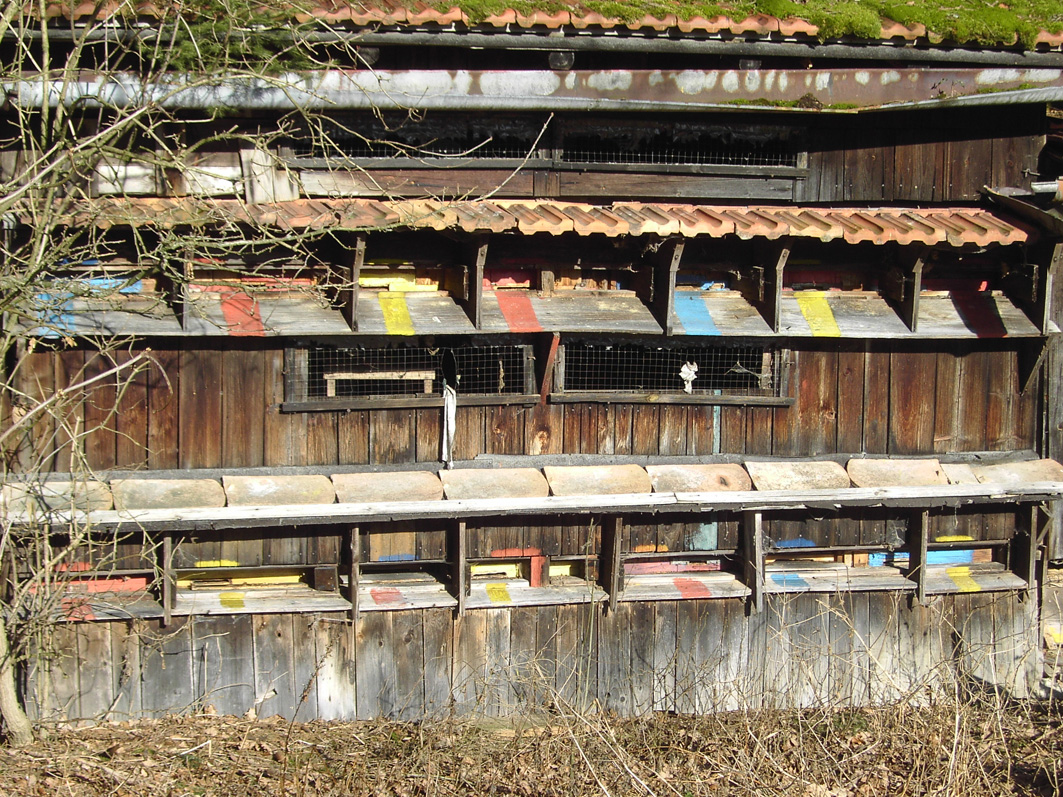
Hive Management
Seasonal Hive Management for Canadian Backyards
A month-by-month overview of what to inspect, when to add supers, and how to prepare colonies for the long Canadian winter.
Read article →Backyard Beekeeping & Honey Production
Seasonal hive checks, varroa management, and harvest timing — drawn from hands-on experience with small apiaries across Ontario and beyond.
Recent Articles
Hive Management
A month-by-month overview of what to inspect, when to add supers, and how to prepare colonies for the long Canadian winter.
Read article →
Pest Control
How to count mites, when thresholds matter, and which treatments are available under Canadian regulations for small operations.
Read article →
Harvest
From uncapping to bottling — the practical steps that apply when you're working with two to ten hives rather than fifty.
Read article →After a Canadian winter, the first full inspection reveals a lot — cluster size, brood pattern, queen presence, and early pest pressure. Missing the signs in April means catching up under pressure in June.
Read the full hive management guideTopic Overview
Knowing how to identify a laying queen, spot supersedure cells, and time a split correctly keeps hive continuity through the active season.
The standard Canadian threshold for treatment is roughly 2–3 mites per 100 adult bees during the brood season. Counts above that level call for prompt action.
Pulling honey too early risks fermentation. Most beekeepers in central Canada wait until 80% of the frames in a super are capped before extracting.
Bee Populations
A colony that overwinters in Canada typically contracts to 10,000–15,000 bees clustered around the queen. Coming out of winter with fewer than 8,000 bees is a warning sign that the colony may not build fast enough for a productive spring flow.
Regular fall assessments — food stores, mite load, queen condition — are the main variable a beekeeper actually controls heading into October.
Read the seasonal guide
Both are registered in Canada for varroa control and have different application windows. Oxalic acid is most effective in broodless colonies in late autumn or early spring. Formic acid works during the brood season but has temperature constraints that matter in a Canadian climate.
Read the varroa control articleContact
Questions about a specific topic, a correction to something in an article, or a suggestion for what to cover next — use the form below.
Meadow Craft Works
247 Beechwood Ave, Ottawa, ON K1L 8B1
Phone: +1 (613) 555-0184
Email: info@meadowcraftworks.org