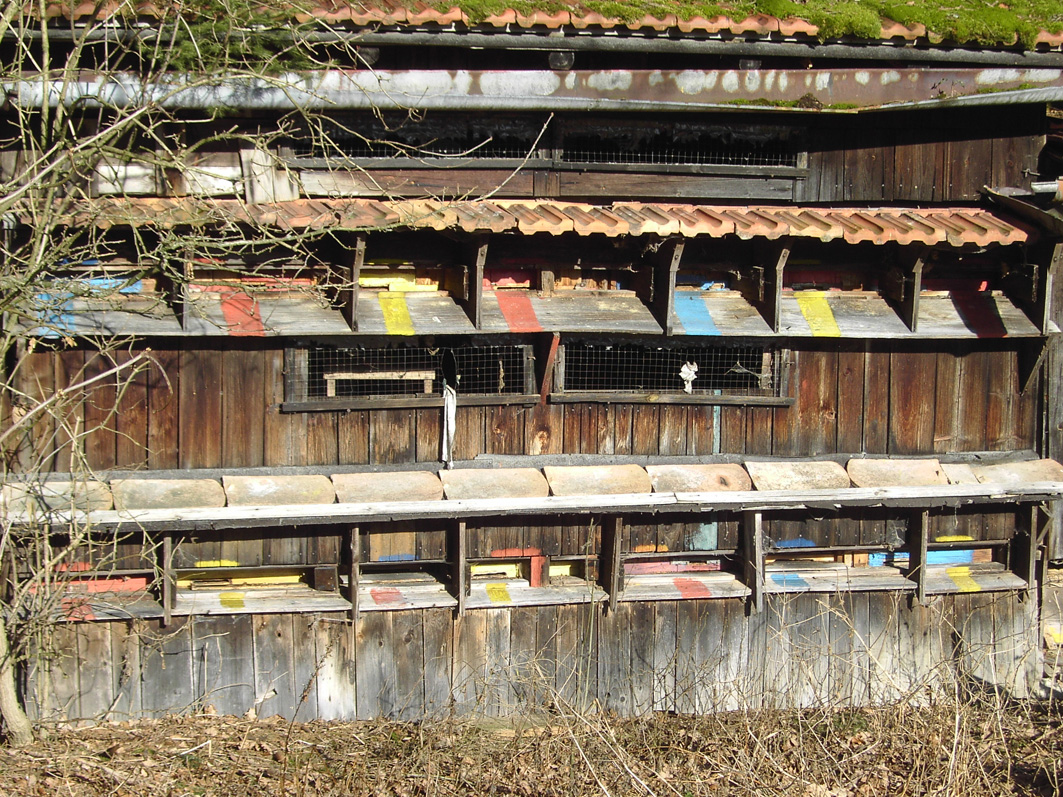
The Canadian Beekeeping Calendar
Most of Canada's productive beekeeping season runs from late April through early October. Outside those months, colonies in most provinces are either dormant or consuming winter stores. That six-month window shapes every decision a small-scale beekeeper makes.
The specific timing shifts by region. In southern Ontario or the Fraser Valley, the first reliable bloom can arrive by early April. In northern Alberta, colonies may not fly freely until mid-May. Knowing your local bloom calendar — when dandelion, fruit trees, clover, and goldenrod peak — is more useful than following a generic national schedule.
February and March: Pre-Season Assessment
Before colonies can fly, there's useful work to do from the outside. On days above –5°C with little wind, a stethoscope or simply a knock on the hive body can confirm audible cluster activity. A colony that makes no sound at all by late February warrants closer examination on the next mild day.
This is also the time to prepare equipment. Frames with old comb that's gone dark and waxy should be replaced. Hive bodies with significant wood rot compromise ventilation and structure. Assembling drawn comb on frames in advance saves time once the season accelerates.
April and May: The Spring Inspection
The first full inspection of the season happens when temperatures are consistently above 14°C in the middle of the day. Opening a hive in cooler conditions chills brood and stresses the cluster unnecessarily.
During the spring inspection, look for:
- A laying queen — eggs are easier to spot than the queen herself. Fresh eggs stand upright at the bottom of cells.
- Brood pattern — a solid pattern of capped worker brood with few empty cells suggests a healthy queen. A scattered, shotgun pattern can indicate disease or a failing queen.
- Signs of American Foulbrood (AFB) — sunken, perforated cappings and a ropey, foul-smelling residue when you insert a matchstick. AFB is a reportable disease in all Canadian provinces.
- Varroa mite presence — even a visual scan of the brood area will sometimes reveal mites on pupae. Spring is a critical time to establish a baseline mite count before the colony population explodes.
If the colony came through winter with fewer than five frames of bees, it may need to be combined with a stronger colony or given a package of bees to build up before the main nectar flow.
June: Adding Supers and Monitoring Swarm Pressure
By early June in most of southern Canada, the dandelion flow is winding down and clover is beginning. This is the period when strong colonies can fill supers rapidly, and when swarm impulse peaks.
Swarm prevention isn't about eliminating the impulse — it's about giving the colony space and keeping the queen productive. Adding a super before the colony is completely packed into the brood box reduces the likelihood that bees will prepare to leave. Reversing hive bodies in spring (placing the bottom box on top) is a common technique in Ontario and British Columbia to redistribute warmth and open up laying space, though opinions on its effectiveness vary.
Queen cells in June deserve attention but not panic. Emergency cells — built after a queen is lost — tend to appear in clusters on the face of a frame. Swarm cells are typically found along the bottom edges of frames. Deciding whether to let a cell develop, remove it, or split the hive depends on what you want to accomplish that season.
July and August: Peak Nectar Season
The main honey flow in most of Canada coincides with white and red clover in July and the goldenrod and aster flow in August and early September. A strong colony can add 10–15 kg of cured honey in a week during a heavy flow.
During peak flow, inspections can be less frequent without consequence — the bees are focused on foraging and curing nectar, not swarming. That said, checking mite levels in late July is critical. The mite population grows alongside the bee population, and colonies that enter August with a high mite load often collapse before October.

Honey extraction typically happens in two waves: after the summer clover flow in late July, and after the goldenrod flow in early September. Pulling honey before frames are at least 80% capped risks fermentation in storage, since moisture content in uncured nectar can exceed 20%.
September: Fall Preparation
September is arguably the most consequential month in the beekeeping calendar. The bees reared in August and September are the ones that will carry the colony through winter — they live longer than summer bees and form the overwintering cluster. Their health depends directly on the mite load they were reared under.
Steps to take in September:
- Conduct a final mite count using the alcohol wash or sticky board method. If mite levels exceed 2–3 per hundred bees, treatment is needed before the overwintering bee population is committed to brood rearing.
- Assess honey stores. A standard two-story Langstroth colony needs at least 25–30 kg of honey to survive a Canadian winter without supplemental feeding. Colonies running short can be fed 2:1 sugar syrup in September while temperatures are still warm enough for bees to process and dehumidify it.
- Reduce the entrance to a 2–3 cm opening to limit mouse access. Mice can destroy comb and stress a cluster through winter.
- Combine weak colonies rather than trying to overwinter them separately. A colony on fewer than five frames of bees in late September rarely survives to April.
October and November: Wrapping for Winter
Overwintering practices vary significantly across Canada. In mild coastal British Columbia, colonies often overwinter outdoors with minimal insulation. In Manitoba or northern Ontario, beekeepers typically use tar paper wrapping or foam insulation panels around hive bodies, with a reduced but functional upper entrance to prevent moisture buildup.
Top ventilation is more important than bottom ventilation in winter. Condensation that drips back onto the cluster kills bees faster than cold air. A small upper entrance or a moisture quilt above the top box helps maintain airflow without exposing the cluster to drafts.
Some beekeepers in colder provinces move colonies into unheated pole barns or root cellars with indirect ventilation. This stabilizes temperature and reduces winter food consumption, but requires careful monitoring to prevent the cluster from becoming active and consuming stores prematurely during a warm spell.
Winter Colony Checks
Once wrapped, colonies don't need to be opened — and shouldn't be. On days above 10°C in January or February, bees will fly to take cleansing flights. This is normal. A cluster that suddenly goes quiet by February and shows no response to a knock on the hive body should be examined on the next suitable day.
Starvation is the leading cause of winter colony loss in Canada. If you find a colony dead with empty cells and bees with their heads pointing inward into empty frames, the colony starved. If you find a healthy cluster of bees that died suddenly, the cause is often a different problem — moisture, disease, or queenlessness heading into winter.
"The decisions made in September determine what you find in April. Spring inspections reveal the outcome of autumn management."
Further Reading
The Canadian Food Inspection Agency maintains updated information on notifiable bee diseases in Canada. The Canadian Honey Council publishes annual production data and provincial regulation summaries.
For varroa treatment specifics, see the companion article on varroa mite control for backyard beekeepers.
For guidance on harvest timing and equipment, see honey extraction techniques for small-scale operations.

